
The early 2000s were a pivotal era for experimentation in horror movies, as filmmakers blended supernatural, science fiction, and slasher themes into innovative new stories. Films like The Others (2001), which blend psychological suspense with paranormal themes, and 28 Days Later (2002), which combines post-apocalyptic science fiction with intense horror, exemplify this creative mix of genres.
Departing from the conventions of the 1990s slasher revival, director James Wong, together with screenwriters Glen Morgan and Jeffrey Reddick, intentionally constructed Final Destination as an innovative hybrid. They blended supernatural and psychological elements. Final Destination’s deliberate genre hybridization not only distinguishes it from contemporary horror films but also highlights its influence in redefining early twenty-first-century horror cinema.
The origins of Final Destination go back to screenwriter Jeffery Reddick. After reading an article about a real case of a missed a fatal flight, Reddick wrote a spec script for The X-Files while attempting to find an agent. His focus on ‘cheating death’ led him to explore psychological and metaphysical anxieties. As he put it: “I thought that if the character missed their time to die, they had cheated death” (Reddick). After receiving advice to develop the script into a full-length feature, Reddick worked with James Wong and Glen Morgan. This started Final Destination’s innovative story approach.
Drawing from their experience on The X-Files, Wong and Morgan situated the film within broader genre developments by emphasizing mortality and inevitability, thus distinguishing Final Destination from its contemporaries. By designing elaborate Rube Goldberg-style deaths, the franchise establishes itself as a pioneer of modern horror entertainment. Now, twenty-five years later, the Final Destination franchise includes six movies, novels, and comics, cementing its status as a significant part of horror history.
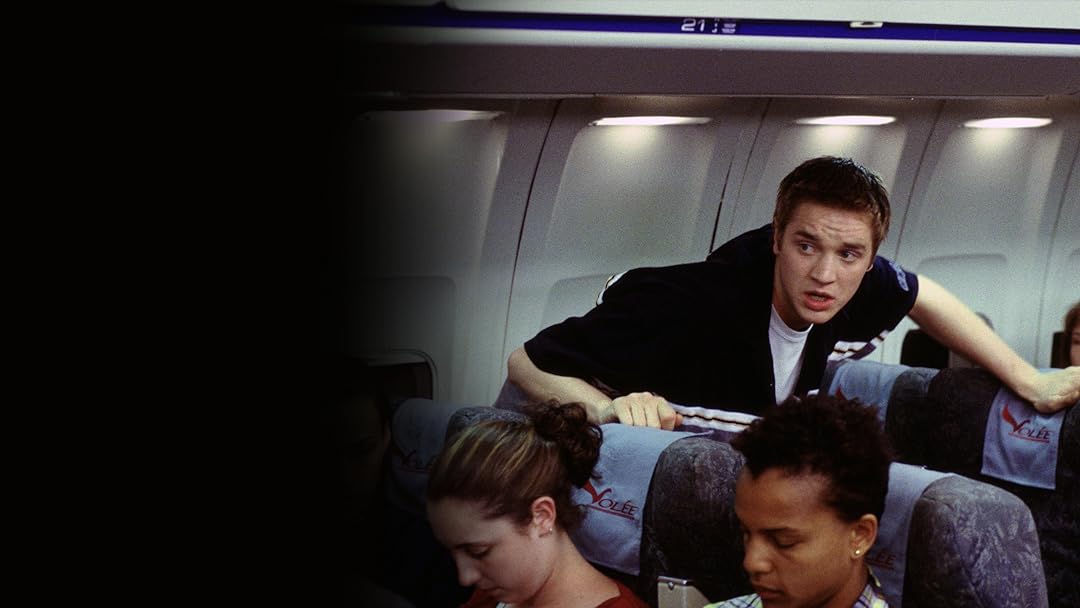
These creative choices converge in the construction of the film’s plot. Final Destination centers on Alex Browning, a high school student whose vision of Flight 180’s explosion starts the film’s mix of genres. Alex’s supernatural warning, a common theme in psychological and supernatural horror, leads him to act, saving himself and six others.
The depiction of the airliner’s demise utilizes the slow-building suspense and heightened tension indicative of horror, while simultaneously integrating rapid editing, abrupt camera angles, and disorienting close-ups associated with science fiction’s aesthetic of chaos and unpredictability. This interplay not only intensifies the emotional impact on the viewer but also exemplifies how Final Destination strategically merges genre conventions to construct a distinctly hybrid narrative form.
As the narrative progresses, the film avoids a conventional, human antagonist and instead introduces Death as an abstract force. This force pursues the characters through orchestrated, fatal set-pieces reminiscent of body horror.
Producer Craig Perry has characterized the protagonists of Final Destination as integral components within a mechanistic system orchestrated by fate. In his interview with Entertainment Weekly, Perry states, “You get a single character in a finite location with all these things happening all around him or her that the audience is aware of, but the characters are not” (Perry). By highlighting the audience’s privileged awareness in contrast to the characters’ limited perception, Perry underscores how the film employs dramatic irony to heighten suspense. This approach reinforces the central theme of inescapable fate.
Although the script was a promising hit, the original script contained a subplot that was eventually cut from the final version. The film’s initial script notably featured a romance between protagonists Alex Browning and Clear Rivers, as well as sequences involving intimacy, the death of Alex, and the birth of their child.
To refine the film further, New Line Cinema, the studio behind the movie, held test showings to see what audiences liked and disliked about Final Destination.
Studio executives, along with director James Wong, were informed by their screen testers that the first half of a shocking, gory horror film devolved into a predictable teen drama as the movie progressed. In a Warner Bros. Interview about Final Destination, Robert Shaye of New Line Cinema stated, “Having the child be vindication of how you beat death was perhaps a little too esoteric, and not visceral enough…for the post-modern Scream crowd” (Shaye).
As a result of this feedback, an editorial recalibration was needed to establish Final Destination’s distinct tone and ensure its cohesion with the entertaining and elaborate death sequences.
Final Destination cultivated a distinct horror identity by blending supernatural thrills with psychological tension. Instead of a killer, it presented an unseen, unstoppable force. The film injected dark humor and mystery, transforming it into both a cult classic and a pivotal entry in early 2000s horror.
More than two decades after its release, the legacy of Final Destination persists as a significant influence within the horror genre. The film continues to engage successive generations by stressing existential anxieties about mortality and the unpredictability of fate. Its pioneering approach to genre hybridization has not only contributed to ongoing viewer apprehension concerning the precariousness of human existence but it has also inspired subsequent horror cinema to interrogate conventional narrative expectations. In doing so, Final Destination has reinforced broader trends within the genre towards innovative narrative structures and thematic complexity, thereby maintaining its relevance and shaping the evolution of early twenty-first-century horror.
References
Weekly, E. (2025) Every ‘Final Destination’ Death, Explained by the Producer, YouTube. Available at: https://www.youtube.com/watch?v=ZenVer_NXHU (Accessed: 31 October 2025).
Warner Bros. Entertainment. “Final Destination | Screen Testing the Original Final Destination | Warner Bros. Entertainment.” YouTube, 17 May 2025, http://www.youtube.com/watch?v=ADlsm-bA2Wk. Accessed 31 Oct. 2025.
https://www.facebook.com/thesuccessfulscreenwriter. “Ep21 – Writing the Script for Final Destination with Jeffrey Reddick – the Successful Screenwriter.” The Successful Screenwriter, 2021, thesuccessfulscreenwriter.com/transcript-ep21-writing-the-script-for-final-destination-with-jeffrey-reddick/.
Love what you’re reading? Subscribe so you never miss a new post!
Leave a Reply